
How to Plan Your First African Safari Trip 2026
Figuring out how to plan your first African safari trip feels completely overwhelming until you realize most of the stress comes from genuinely bad advice online. How to Plan Your First African Safari Trip I spent months overthinking every single detail before my Kenya trip and still managed to get half of it wrong. The good news is you really only need to nail a few key decisions to have an unforgettable time.
Pick Your Country and Season First
Most people start by browsing lodge photos on Instagram and working backward. That is a mistake. Your country choice dictates everything else, from visa requirements to the animals you will actually see. Kenya and Tanzania are the classic picks for a reason. How to Plan Your First African Safari Trip The Masai Mara and Serengeti deliver reliable Big Five sightings year round. South Africa works better if you want to self-drive through Kruger National Park on a tighter budget. Botswana and Namibia are stunning but better suited for second or third safaris when you already know what you want.
Timing matters just as much. The dry season, roughly June through October for East Africa, concentrates wildlife around water sources and keeps roads passable. How to Plan Your First African Safari Trip I visited Tanzania in late January during the calving season and watched thousands of wildebeest drop their babies on the southern Serengeti plains. Different season, totally different experience. Pick the wildlife event you care about most and build your dates around that.

Set a Realistic Budget Before You Look at Lodges
Safari pricing shocks most first timers. A mid-range lodge in the Masai Mara runs around $400 to $700 per person per night, and that usually includes meals and two game drives. Luxury camps push well past $1,500 a night. How to Plan Your First African Safari Trip Budget camping safaris start around $150 to $250 per day, which is still not cheap when you add international flights. Park fees alone can run $60 to $80 per person per day in the Serengeti, and those add up fast over a week.
My honest advice is to set your total trip budget first, then subtract flights and park fees. Whatever is left determines your lodge tier. Do not blow 80 percent of your money on a fancy tent and then skip the hot air balloon ride over the Mara because you ran out of cash. How to Plan Your First African Safari Trip Balance matters more than luxury. I stayed at a modest camp near the Talek River and saw more leopards than friends who paid triple for a place twenty miles away.
Choose Between a Group Tour and a Private Safari
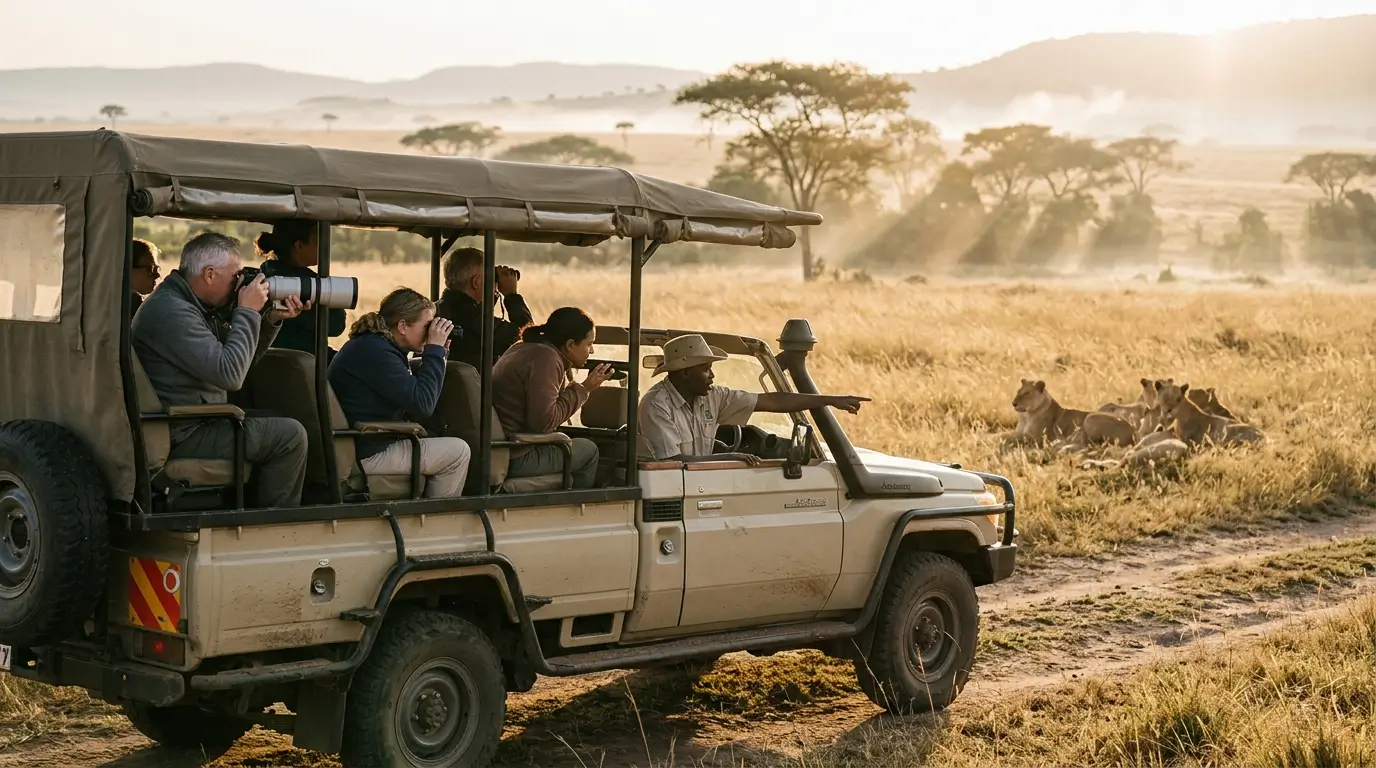
Group tours through operators like G Adventures or Intrepid Travel keep costs down and handle all logistics for you. How to Plan Your First African Safari Trip You share a vehicle with six to eight strangers, follow a fixed itinerary, and get a knowledgeable guide who knows the parks inside out. This is the route I took on my first trip and it worked beautifully.
Private safaris give you flexibility to chase a lion sighting for an extra hour or skip a morning drive because you want to sleep in. They cost significantly more, sometimes double, but the experience feels personal. If you are traveling with a partner or a small group of friends, splitting a private vehicle often makes the price gap smaller than you think. How to Plan Your First African Safari Trip IMO the sweet spot for a first trip is a small group tour with an option to upgrade to a private vehicle for one or two days.
How to Plan Your First African Safari Trip Itinerary
This is where most people overcomplicate things. How to Plan Your First African Safari Trip You do not need to visit five parks in ten days. Rushing between locations eats up entire mornings in transit and leaves you exhausted during the game drives when you should be spotting elephants.
A solid first itinerary covers two to three locations over seven to ten days. For Kenya, a classic route is Nairobi to Amboseli to the Masai Mara with a night or two at Lake Nakuru in between. How to Plan Your First African Safari Trip For Tanzania, fly into Kilimanjaro, drive to Tarangire, then the Ngorongoro Crater, and finish in the Serengeti. Build in at least two full days at each major park.
If you have extra time, add a beach extension to Zanzibar or the Kenyan coast. It is the perfect way to decompress after a week of early mornings and dusty roads. How to Plan Your First African Safari Trip The animals do not perform on a schedule, and you need repeat drives to see the good stuff. Patience pays off more than a packed calendar ever will.
Book Flights and Internal Transfers Early
International flights to Nairobi or Kilimanjaro fluctuate wildly in price. I tracked fares on Google Flights for about three months before booking and saved nearly $400 by flying midweek on Ethiopian Airlines. Set price alerts early and pull the trigger when you see a dip. How to Plan Your First African Safari Trip Once you know how to plan your first African safari trip itinerary, locking in flights becomes straightforward.
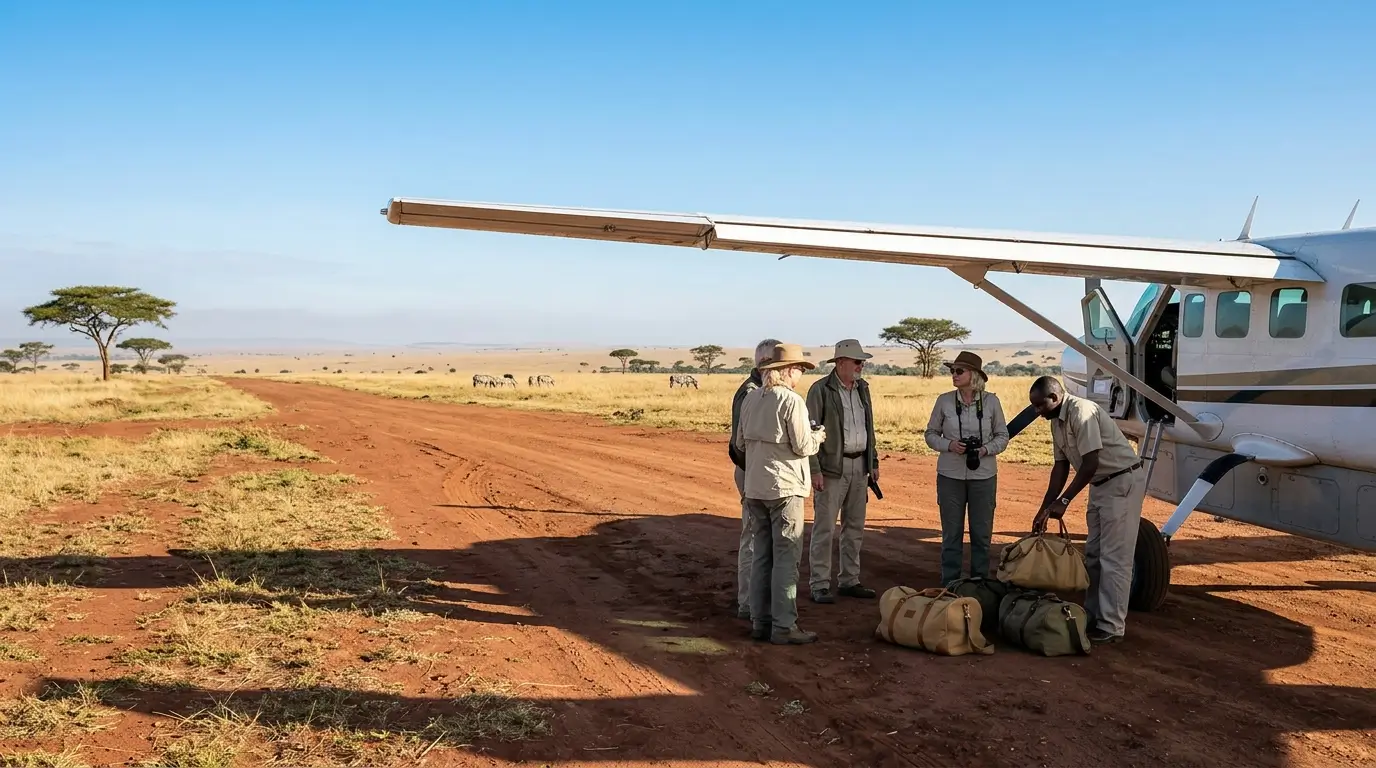
Internal transfers are the part most first timers overlook entirely. Getting from the Masai Mara back to Nairobi can mean a bumpy six hour drive or a quick 45 minute bush flight on SafariLink or AirKenya. The bush flights cost around $150 to $250 one way and save you a full day of travel. How to Plan Your First African Safari Trip Book these at the same time you confirm your lodges because the small Cessna planes fill up fast during peak season. FYI, luggage on bush flights is strictly limited to 15 kg in soft-sided bags, so pack accordingly.
Sort Out Vaccines, Visas, and Travel Insurance
Health and paperwork are not the fun part of planning, but skipping them can ruin your trip fast. Most East African countries require proof of yellow fever vaccination if you are arriving from another African country, and many doctors recommend malaria prophylaxis regardless.
I took Malarone starting two days before departure and had zero issues. Visit a travel clinic at least six weeks before your trip because some vaccines need multiple doses. How to Plan Your First African Safari Trip Check the CDC website for the latest country-specific recommendations since requirements change more often than you would think.
Kenya and Tanzania now process visas online through their respective eVisa portals. Apply at least two weeks out and keep a printed copy in your carry-on. Travel insurance is non-negotiable. How to Plan Your First African Safari Trip A medical evacuation from a remote bush camp can cost upward of $50,000. I use World Nomads because their policies cover adventure activities and emergency helicopter evacuations specifically.
Pack Like Someone Who Has Actually Been on a Game Drive
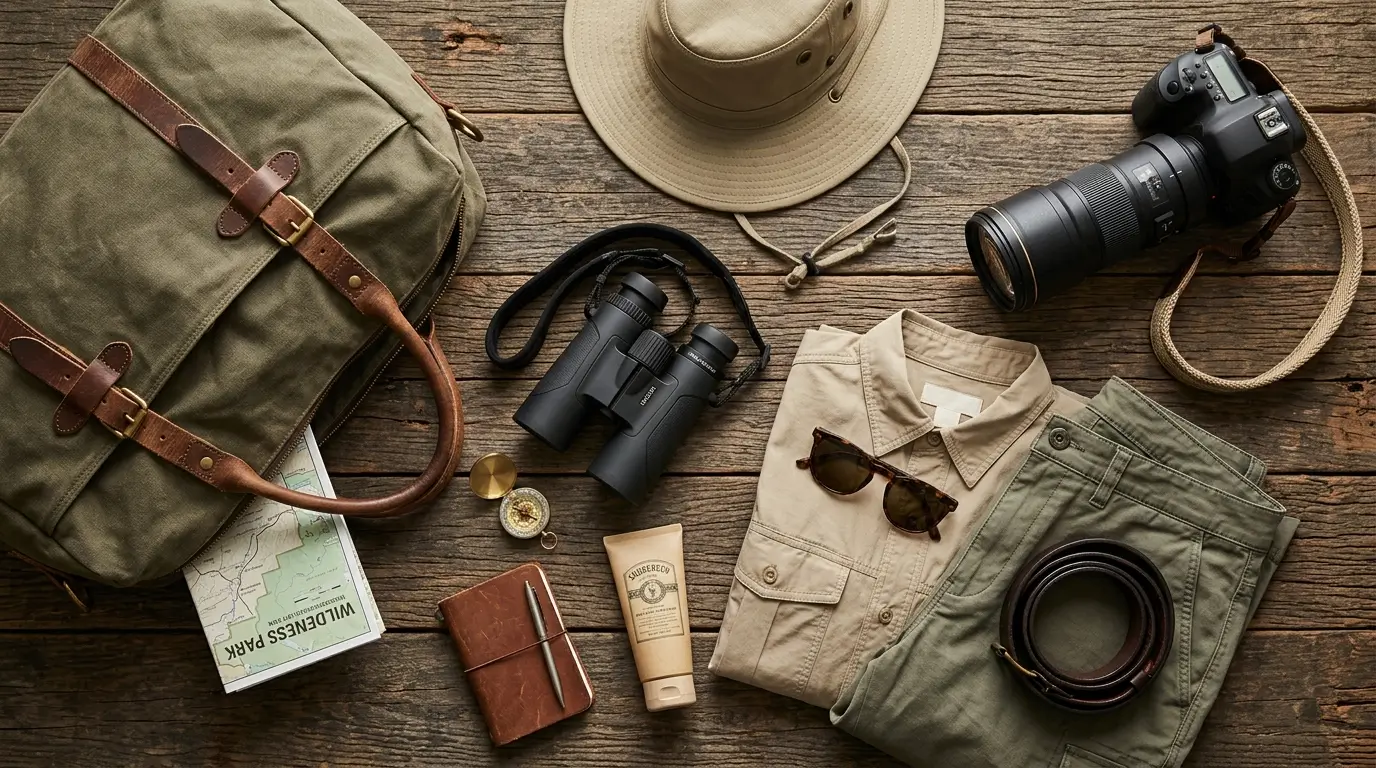
Leave the hard-shell suitcase at home. Bush flights and safari vehicles have zero room for rigid luggage. A soft duffel bag in neutral colors is your best friend. How to Plan Your First African Safari Trip Think khaki, olive, and tan. Bright whites and dark blues attract tsetse flies, and nobody wants that.
Also Read: Affordable Travel Destination Ideas for Retirees 2026
Layering is everything. Early morning game drives start before sunrise when temperatures hover around 10°C, but by noon you are sweating through your shirt in 30°C heat. How to Plan Your First African Safari Trip Pack a lightweight fleece, a windbreaker, convertible pants, and a wide-brimmed hat. Bring a good pair of binoculars, ideally 8×42 or 10×42.
I rented a pair from my lodge and immediately regretted not bringing my own because sharing binoculars with seven other people gets old fast. How to Plan Your First African Safari Trip long zoom lens for your camera matters too, at least 200mm if you want usable wildlife shots. Sunscreen and insect repellent are non-negotiable. I burned through an entire bottle of SPF 50 in five days.
Frequently Asked Questions
What is the cheapest month to go on an African safari?
The shoulder months of March and November typically offer the lowest rates across East and Southern Africa. You will deal with some rain, but the parks are quieter, the landscapes are green, and lodges drop their prices by 30 to 50 percent compared to peak dry season.
Is it safe for solo travelers to go on safari?
Absolutely. Most safari camps and lodges are extremely secure, and group tours pair solo travelers with compatible roommates automatically. I met several solo travelers on my Kenya trip who said they felt safer on safari than in most European cities. Just stick with reputable operators and avoid walking alone at night in cities.
How far in advance should you start planning your first African safari trip?
Aim for six to nine months ahead, especially if you want to travel during the Great Migration from July to October. Popular camps in the Mara and Serengeti sell out almost a year in advance. Booking early also locks in better flight prices and gives you time to sort out vaccinations.
Can you see the Big Five on a budget safari?
Yes. The Big Five roam the same parks regardless of what you pay for your tent. A budget camping safari in the Serengeti puts you in the exact same landscape as a $2,000 per night luxury lodge. The difference is comfort, not wildlife. Your guide and timing matter far more than thread count.
Do you need a guide or can you self-drive?
Self-driving works well in South Africa’s Kruger National Park where roads are paved and well marked. In East Africa, I strongly recommend hiring a guide. The parks are vast, the roads are rough, and local drivers know exactly where the leopards have been spotted that morning. It makes a huge difference.
Conclusion
Your first safari will probably not go exactly as planned, and that is honestly the best part of it. The morning a hyena wandered through our camp at 5 AM was not in any itinerary, and it remains my favorite travel memory. Start simple, book early, and let the bush surprise you.




One Comment