
Sensory Friendly Travel Tips for Neurodivergent Travelers 2026
Finding honest sensory friendly travel tips for neurodivergent travelers can mean the difference between a memorable vacation and a complete meltdown. Sensory Friendly Travel Tips for Neurodivergent Travelers I still remember hiding in a cramped airport bathroom booth, completely overwhelmed by sirens, fluorescent lights, and screaming crowds. You do not have to live through that chaos. A few simple, realistic adjustments can protect your energy and make traveling feel fun again.
1. Choose lodging with a kitchen
Staying in a traditional hotel room often forces you to eat out for every single meal, which drains your social battery fast. Sensory Friendly Travel Tips for Neurodivergent Travelers Booking an apartment through platforms like Airbnb or choosing an extended-stay hotel gives you complete control over your food.
You can prepare safe foods in a quiet environment without worrying about restaurant noises, strange textures, or unpredictable seasoning. Sensory Friendly Travel Tips for Neurodivergent Travelers Keeping some familiar pasta or crackers on hand makes a massive difference in preventing sensory overload.
2. Pack high-fidelity earplugs
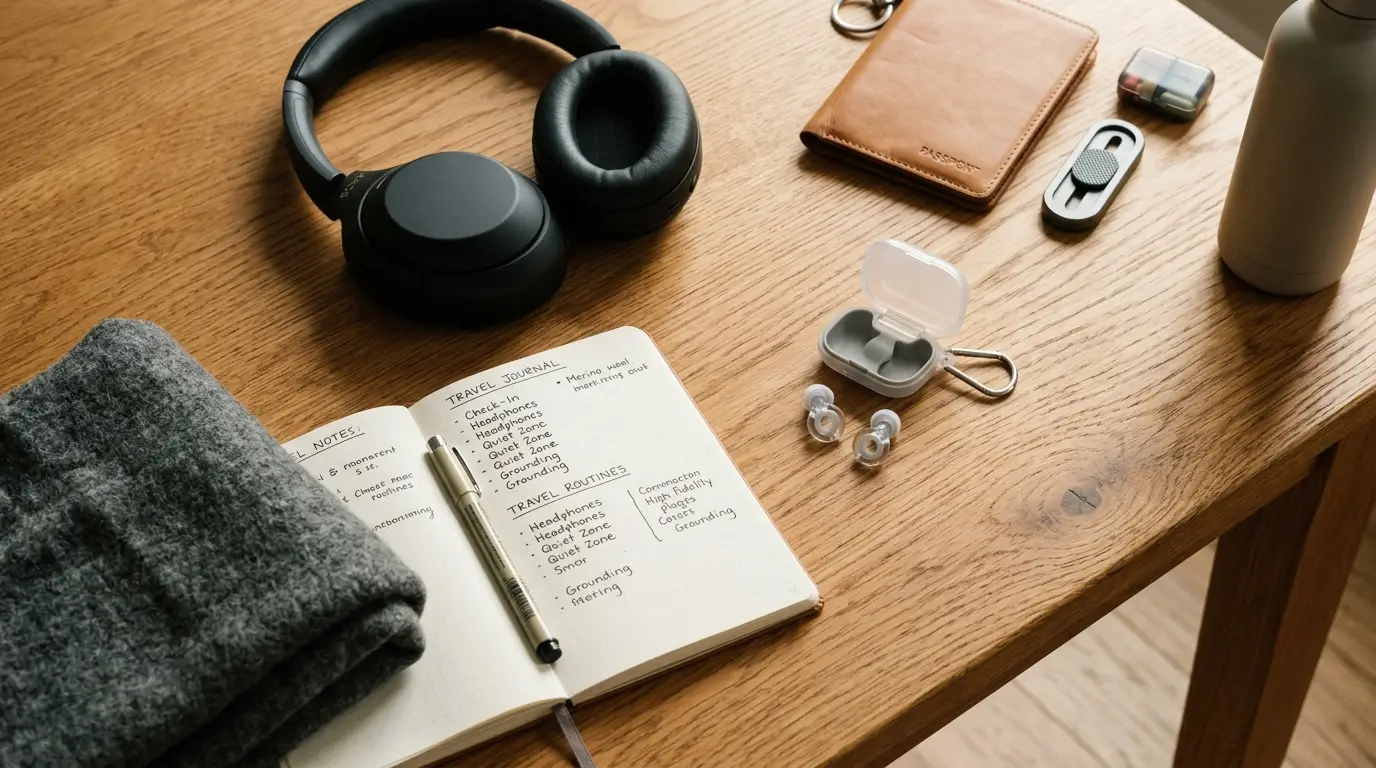
Standard foam earplugs block out everything, which can sometimes feel disorienting or increase internal sounds like your own breathing. Sensory Friendly Travel Tips for Neurodivergent Travelers High-fidelity earplugs like Loop Engage reduce harsh decibels while still letting you hear announcements or talk to flight attendants.
They fit comfortably under over-ear headphones, giving you a double layer of defense against loud jet engines. Sensory Friendly Travel Tips for Neurodivergent Travelers Keeping them on your keychain ensures you never have to scramble through a dark backpack when noise levels suddenly spike.
3. Request airport assistance in advance
Going through TSA lines is easily the most overwhelming part of any trip because of the loud buzzers, barked instructions, and rushed pacing. Sensory Friendly Travel Tips for Neurodivergent Travelers Most major airlines allow you to add a disability assistance request to your ticket profile when booking.
Using these sensory friendly travel tips for neurodivergent travelers allows you to request a guide or access shorter lines. Sensory Friendly Travel Tips for Neurodivergent Travelers You can ask for a quiet seating area while waiting to board your flight, keeping your nervous system regulated before takeoff.
4. Build a sensory first-aid kit
Creating a designated pouch filled with small comforting items gives your hands and mind something familiar to focus on. Sensory Friendly Travel Tips for Neurodivergent Travelers Fill a small zipper bag with a spinner ring, some sour candy, a lavender roll-on, and a textured stim toy.
Also Read: Tips for Flying Comfortably with a Mobility Aid 2026
Sour candy works incredibly well because the intense flavor can shock a dysregulated nervous system back into the present moment. Sensory Friendly Travel Tips for Neurodivergent Travelers Slip this sensory first-aid kit into your personal item so you can grab it easily without opening the overhead bin.
5. Research airport quiet zones
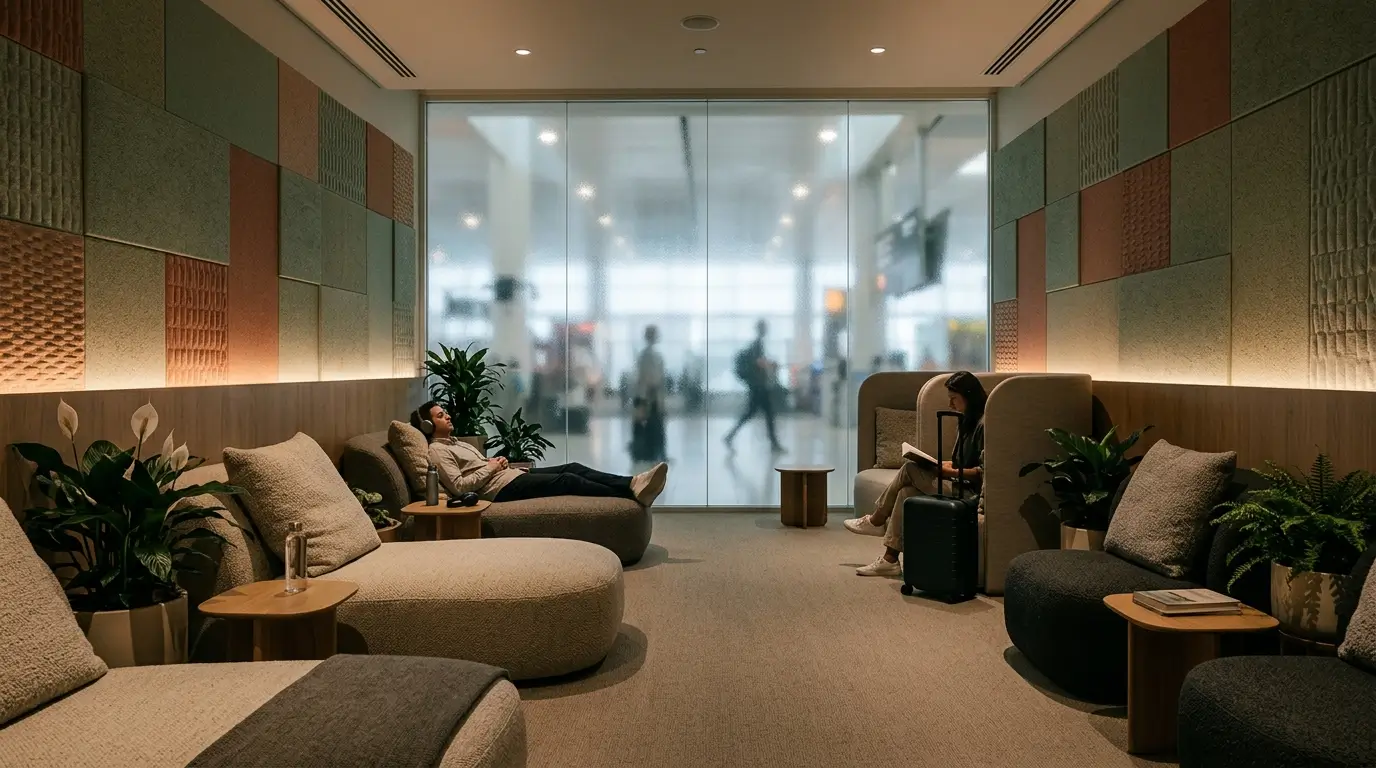
Many international airports now offer dedicated sensory rooms or quiet spaces designed specifically for people who need to decompress. Sensory Friendly Travel Tips for Neurodivergent Travelers Places like Heathrow and Pittsburgh International have quiet zones featuring soft lighting, comfortable seating, and tactile wall panels.
If your airport does not have a sensory room, look for chapel spaces or empty gates at the far end of the terminal. Sensory Friendly Travel Tips for Neurodivergent Travelers Spending thirty minutes in a low-traffic area helps lower your heart rate before you have to board.
6. Wear seamless and tagless clothing
Sitting in a cramped airplane seat for hours makes every itchy tag, stiff waistband, and rough seam feel ten times worse. Sensory Friendly Travel Tips for Neurodivergent Travelers Dressing in worn-in, ultra-soft layers prevents physical discomfort from compounding your mental stress.
Brands like Bamboo Body or Bombas make seamless options that feel like a second skin during long transit days. Sensory Friendly Travel Tips for Neurodivergent Travelers Packing an extra change of these comfortable clothes in your carry-on gives you a quick reset if you get sweaty.
7. Use sensory friendly travel tips for neurodivergent travelers when booking transit
Scheduling flights during off-peak hours drastically reduces the number of people you have to interact with or stand next to. Sensory Friendly Travel Tips for Neurodivergent Travelers Mid-week departures and early afternoon flights usually mean shorter lines and less crowded terminals.
Taking a train instead of flying can also offer a much gentler journey because you get more personal space and fewer transitions. Sensory Friendly Travel Tips for Neurodivergent Travelers Planning your route around these quieter times lets you preserve your mental energy for the actual vacation.
8. Request a quiet hotel room location
Calling your lodging ahead of time can prevent you from getting stuck in a room next to the elevator or ice machine. Sensory Friendly Travel Tips for Neurodivergent Travelers Ask the front desk staff for a room at the end of the hallway on a higher floor.
These rooms receive significantly less foot traffic and noise from guests walking past your door late at night. Sensory Friendly Travel Tips for Neurodivergent Travelers You can also ask if they use scented cleaning products, which helps you avoid strong chemical smells.
9. Incorporate decompression days
Trying to squeeze activities into every single hour of your itinerary is a fast track to physical and emotional exhaustion. Sensory Friendly Travel Tips for Neurodivergent Travelers Schedule at least one full day of doing absolutely nothing active at the start and middle of your trip.
Applying structured sensory friendly travel tips for neurodivergent travelers means honoring your need to lie in a dark room and read or watch familiar shows. Sensory Friendly Travel Tips for Neurodivergent Travelers This intentional rest prevents the cumulative burnout that often ruins the final days of a great vacation.
10. Wear a Sunflower Lanyard
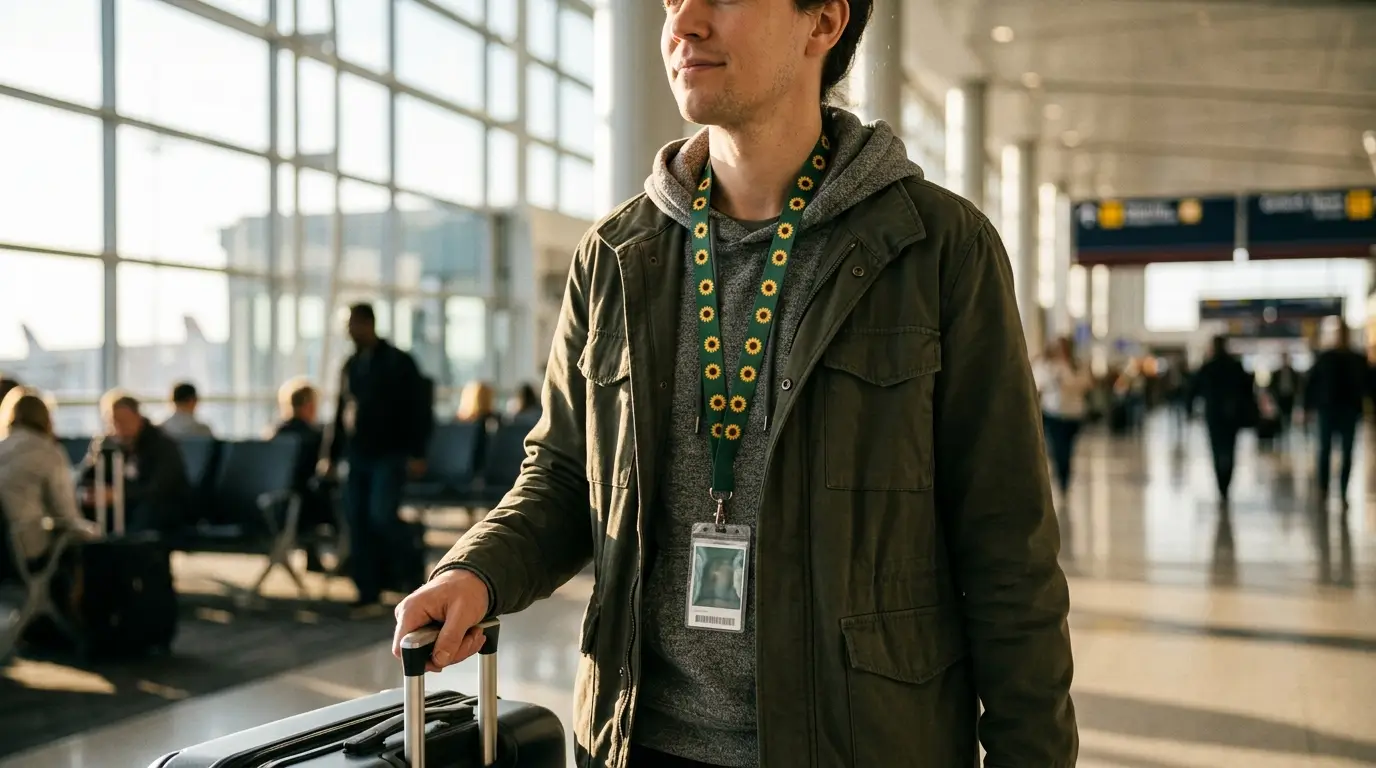
The Hidden Disabilities Sunflower program is widely recognized by airports, rail networks, and venues across the globe. Sensory Friendly Travel Tips for Neurodivergent Travelers Wearing this green lanyard discreetly signals to trained staff that you might need a bit more time or assistance.
It saves you from having to explain your needs out loud to strangers when you are already feeling overwhelmed. Sensory Friendly Travel Tips for Neurodivergent Travelers Many major US and European airports distribute these lanyards for free at their main customer service desks.
11. Pack a portable white noise machine
Unfamiliar hotel rooms come with unpredictable sounds like clanging pipes, traffic, or loud neighbors next door. Sensory Friendly Travel Tips for Neurodivergent Travelers A small, USB-rechargeable sound machine masks these intrusive noises and creates a consistent auditory environment.
Devices like the Rohm portable white noise machine easily clip to a headboard or sit on a nightstand. Using the same sound you use at home signals to your brain that it is safe to sleep.
12. Pre-order your meals when possible
Deciding what to eat when you are already hungry and overstimulated can feel like an impossible cognitive task. Use apps like Uber Eats or Grubhub to Pre-order your meals to your room before hunger turns into a full meltdown.
This practice removes the stress of reading unfamiliar menus or talking to servers in crowded restaurants. You can eat on your own timeline while sitting in your pajamas without any social pressure.
13. Download offline entertainment early
Relying on spotty airplane Wi-Fi to stream your favorite comfort show is a recipe for instant anxiety. Download several episodes of your favorite familiar podcast, TV show, or cozy game before you leave your house.
Having access to these trusted media files means you always have a reliable escape hatch when the environment gets too loud. You will not have to worry about buffering screens when you need a distraction the most.
14. Pack a weighted lap pad
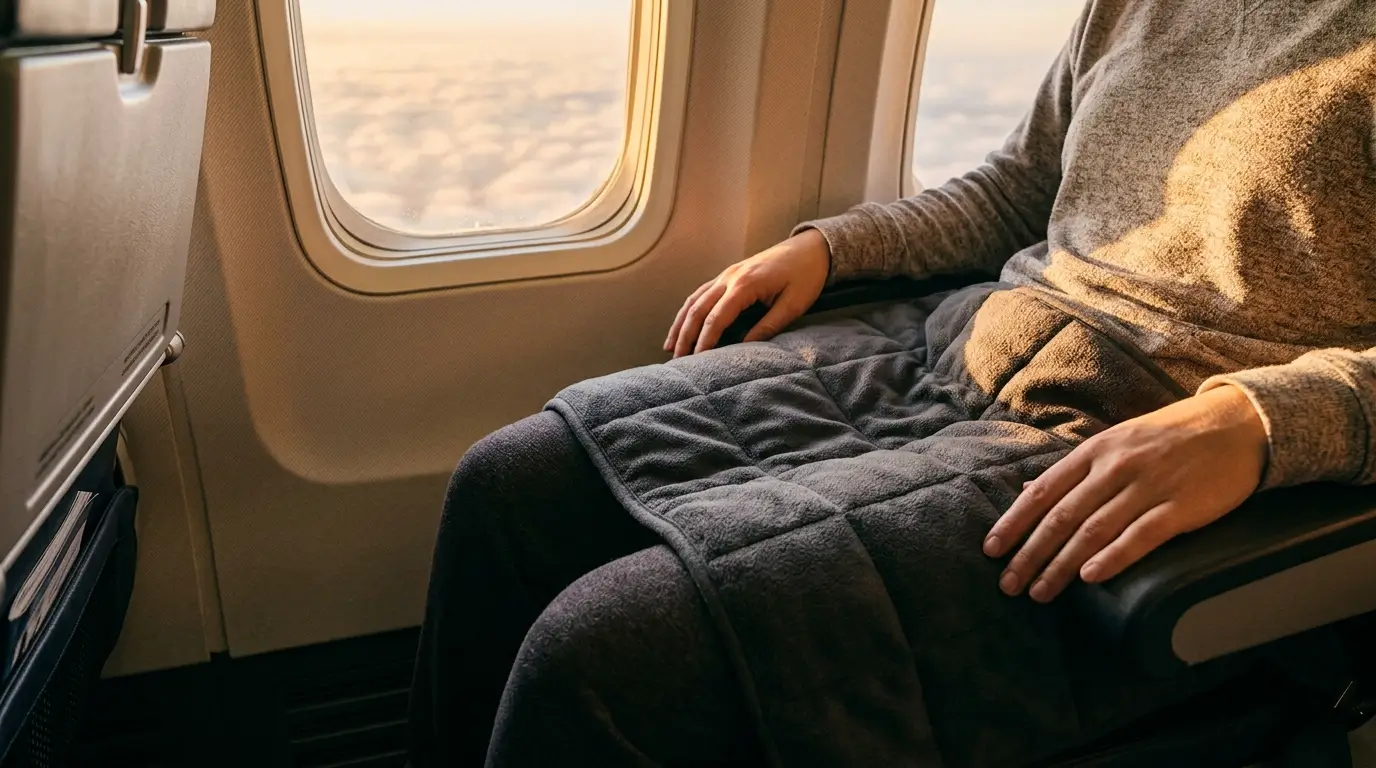
Deep pressure therapy helps calm an overactive nervous system by promoting a sense of physical safety. Packing a small, travel-sized weighted lap pad or a heavy scarf can provide this grounding sensation during long transit hours.
You can easily drape it over your thighs during takeoff or while riding in a noisy taxi cab. This simple tool acts as a silent anchor, keeping you physically relaxed without drawing any unwanted attention from other travelers.
15. Use visual schedules for transitions
Uncertainty is often the biggest trigger for sensory overwhelm when you are moving from one location to another. Creating a simple visual schedule on your phone with photos of the train station or hotel lobby helps demystify the journey.
Knowing exactly what the next physical space looks like reduces the cognitive load of entering a new environment. You can focus on your physical comfort instead of worrying about where to turn next.
Frequently Asked Questions
How do I find sensory friendly travel tips for neurodivergent travelers when planning a trip?
You can find these resources by checking airport websites for sensory room maps or searching neurodivergent travel blogs. Looking up YouTube walkthroughs of specific terminals helps you preview the sights and sounds before you arrive. Many communities also share recommendations on forums like Reddit.
Can I get TSA PreCheck to help with sensory issues?
Yes, getting TSA PreCheck or CLEAR is highly recommended because it lets you keep your shoes on and skip the longest, loudest security lines. Removing the rush of unpacking your bags in front of impatient strangers makes the security process much calmer.
What should I do if I have a sensory meltdown while traveling?
Find a quiet corner immediately, put on your noise-canceling headphones, and close your eyes. Let your travel companion handle the immediate logistics while you focus on slow breathing. Do not feel guilty about taking a break in a bathroom stall if that is the only quiet space.
Do airlines accommodate neurodivergent passengers?
Most airlines offer accommodations if you contact their accessibility services department at least forty-eight hours before your flight. They can arrange for priority boarding, which lets you settle into your seat before the aisle gets crowded and noisy.
How do I handle sensory overload in a rental car?
You can bring a familiar car air freshener to block chemical cleaning smells and use a windshield shade during breaks. Turn off the radio and adjust the climate control before you start driving. Taking quiet breaks at rest stops keeps your stress levels low.
Conclusion
Planning a trip when your brain works a bit differently does not mean you have to stay home. By preparing your sensory tools and choosing quieter routes, you can see the world on your own terms. What is the one item you never leave behind when you travel?





One Comment