How to book scenic train journeys across Europe 2026
Learning how to book scenic train journeys across Europe used to stress me out completely. I spent hours staring at conflicting timetables, high prices, and confusing booking platforms before finally figuring it out. Seeing the Swiss Alps or the golden hills of Tuscany roll past your window is pure magic, but getting the tickets should not feel like rocket science. Let me share my actual stress-free blueprint.
Why planning how to book scenic train journeys across Europe starts with timing
Timing is everything when you want to secure those gorgeous window seats. Unlike flights, rail tickets across Europe do not always go on sale at the exact same time. Italian and Spanish operators usually release tickets ninety days in advance, while the German railway, Deutsche Bahn, often opens bookings around one hundred and eighty days ahead. If you try to book too early, you might think a train is fully sold out when the booking window simply has not opened yet.
I once panicked because a Swiss route showed zero availability in March, only to realize the schedule was not live. You can save up to sixty percent on fares by purchasing tickets the day they go on sale. Set a calendar reminder for your specific travel dates to catch these early-bird discounts before they disappear. This single step will save you hundreds of Euros on popular routes like the Bernina Express.
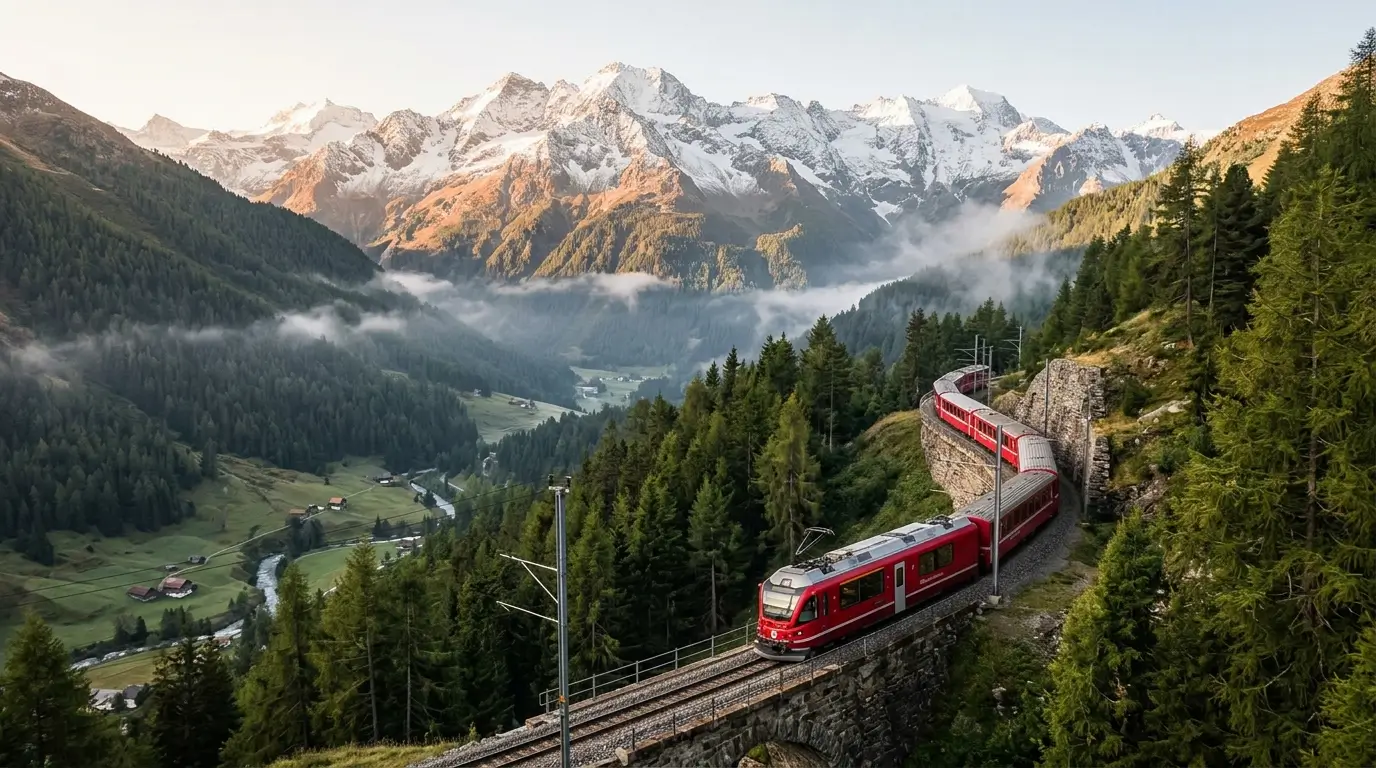
Choose between Eurail passes and point-to-point tickets
Deciding on your ticketing strategy can make or break your travel budget. A Eurail pass offers incredible flexibility if you want to change your plans on a whim, but it is not always the cheapest option. For countries like France and Italy, you still have to pay extra for seat reservations on fast trains, which quickly adds up. If you have a fixed itinerary with only two or three major scenic rides, buying individual tickets directly is, IMO, almost always cheaper.
I recommend mapping out your route on a spreadsheet first to compare costs. Use a rail planning app to check if your desired panoramic trains even accept passes, because some private railways in Switzerland only offer a small discount to pass holders. Making a mistake here can result in paying twice for the same leg of your trip, so do the math before committing to a Eurail global pass for your journey.
Use official national railway sites instead of third-party platforms
Booking portals might look shiny and convenient, but they often charge hidden booking fees and make changing your ticket a complete nightmare. Always buy your tickets directly from the official national railway websites like ÖBB for Austria, Trenitalia for Italy, or SBB for Switzerland. These official operators provide real-time updates and offer the most reliable customer support if a train gets delayed or canceled.
Third-party agencies usually fail to show cheap regional train connections, pushing you toward expensive high-speed options instead. I always keep the official Deutsche Bahn app on my phone because it covers schedules for almost all of Europe, even if you cannot buy every ticket there. If you book through the actual train company, you will receive instant notifications directly to your email if there are track changes or service disruptions on your travel day.
Secure your seat reservations early for the panoramic routes
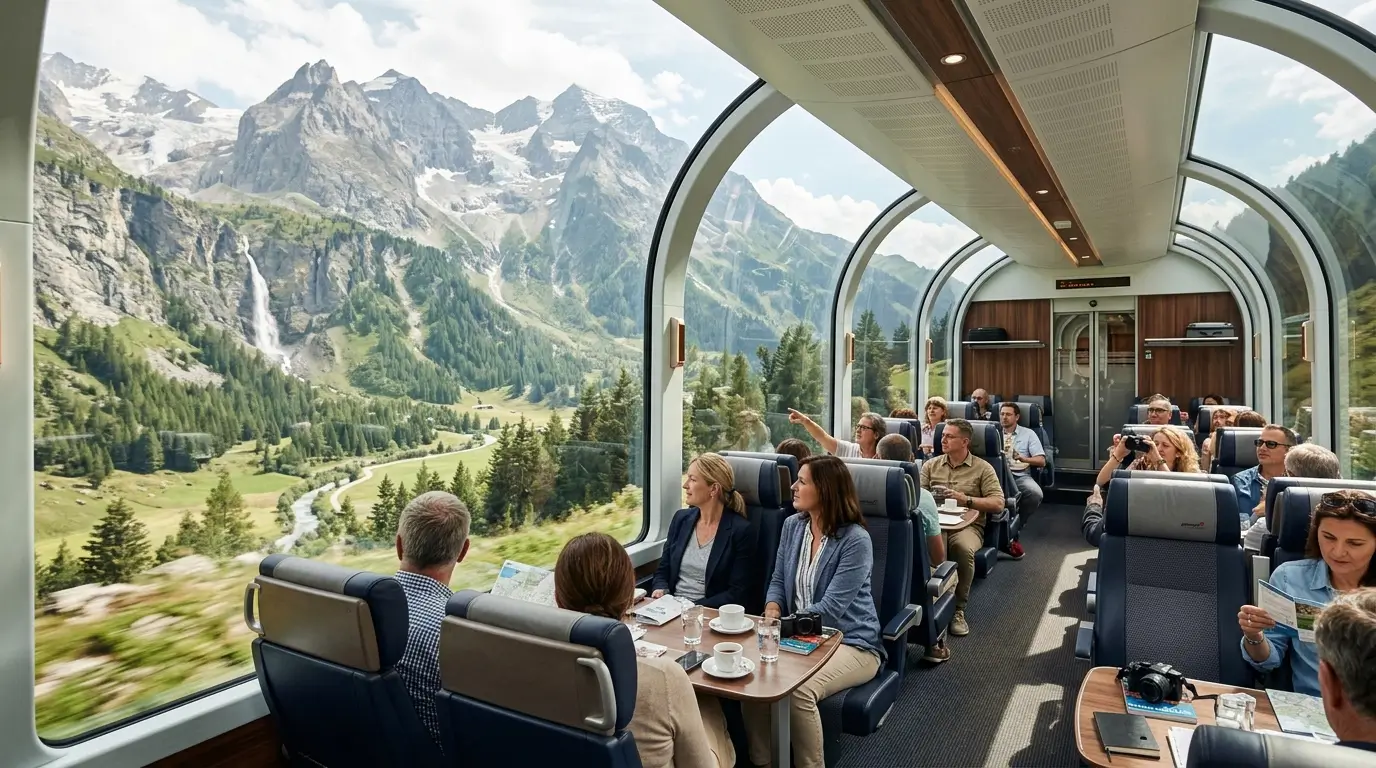
There is a massive difference between a standard regional train and a dedicated panoramic train. Panoramic routes like the Glacier Express feature massive glass windows, but they require a mandatory seat reservation fee that you must pay on top of your ticket. This is where many travelers get caught off guard. They research how to book scenic train journeys across europe, buy their tickets, and then show up only to find they cannot board because the panoramic carriages are fully booked.
To avoid this disappointment, purchase your seat reservations as soon as your travel dates are locked in. If the special panoramic cars are sold out, you can often take local, regional trains on the exact same tracks for a fraction of the cost. You might have to change trains once or twice, but you will get the identical stunning views without the reservation fee and the tourist crowds.
Map out your connections to avoid tight transfer windows
European trains are generally punctual, but delays still happen, and sprinting through a historic station with heavy luggage is not a fun holiday activity. Figuring out how to book scenic train journeys across europe also requires a good look at train station maps.
When planning your schedule, never book connections that are less than twenty minutes long. Massive stations like Paris Gare du Nord or Milano Centrale require plenty of walking time to get from one platform to another. If you miss your connection on a non-flexible ticket, you might have to buy a brand new ticket at the ticket window.
I always build in a cushion of thirty minutes for transfers, especially when changing between different national train operators. Use this extra time to grab a fresh espresso, buy a pastry, and check the departure screens without feeling rushed. It turns a stressful transit moment into a relaxing part of your travel adventure.
Pack like a pro for a seamless onboard experience
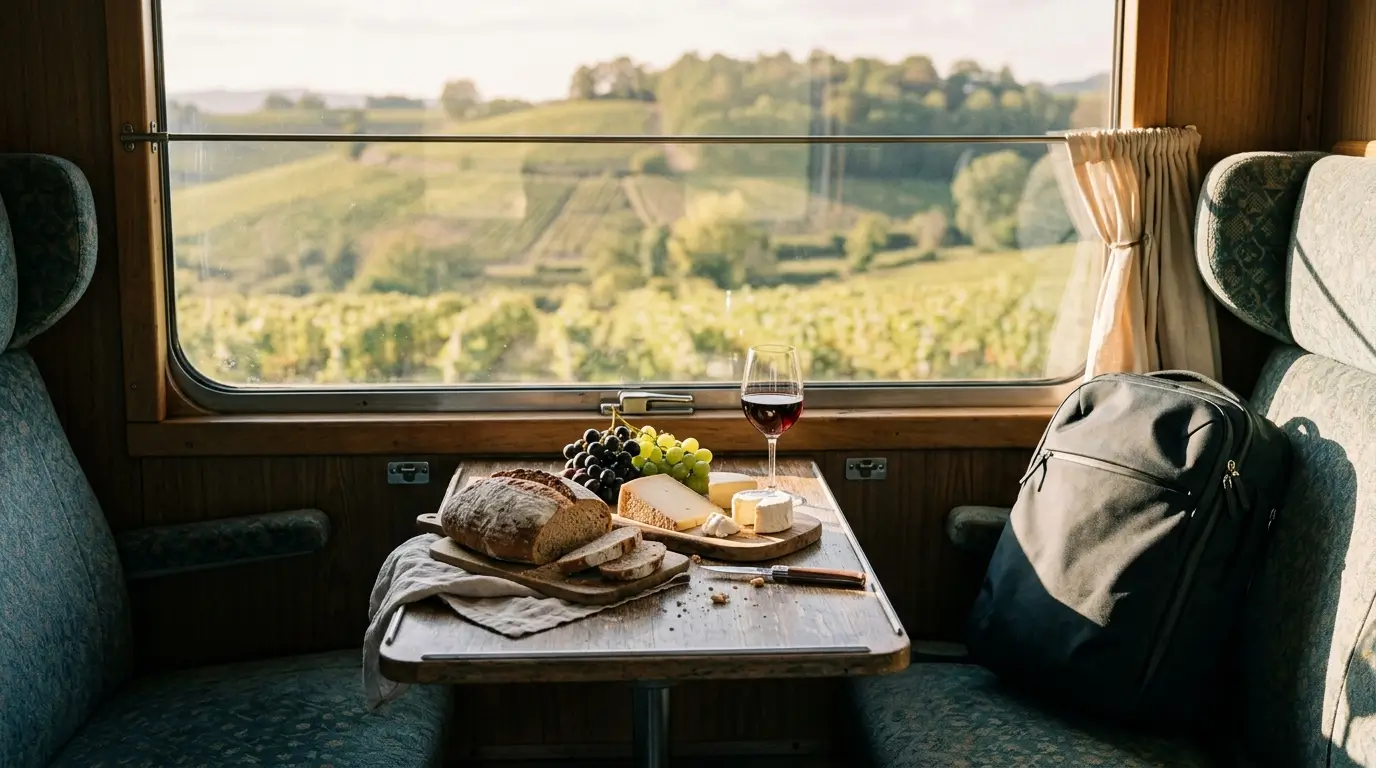
Luggage space on European trains is first-come, first-served, so you need to manage your bags wisely. Huge suitcases will not fit in the overhead racks, meaning you will have to leave them in the luggage stacks near the carriage doors. Keep your valuables in a smaller daypack that you can keep at your seat. Another great tip is to bring your own snacks and wine, which is perfectly legal on almost all European trains.
Also Read: Simple Vacation Savings Guide for Seasonal Income Earners 2026
The dining cars on these scenic routes are wonderful, but they are expensive and can get incredibly crowded during lunch hours. Pack a picnic of local cheeses, fresh bread, and fruit from a market near the station before you board. It is much cheaper, tastes far better, and lets you enjoy the breathtaking views of the countryside without leaving your comfortable seat.
Navigate the seasonal differences on European rail routes
Your experience on these tracks will change dramatically depending on the season you choose to travel. Winter brings snow-capped peaks and cozy cabin vibes, but the sun sets much earlier, meaning you might spend the last hours of your trip staring into pitch-black darkness. Summer offers long, golden hours of daylight, but carriages can get warm, and popular routes will be packed with tourists. I highly recommend traveling during the shoulder season months of May or September.
You will get comfortable temperatures, fewer crowds, and gorgeous changing colors across the landscape. Check the sunset times for your travel dates before finalizing your tickets, because you do not want to book an afternoon train only to miss the final spectacular mountain passes because of early darkness.
How to handle seat selection for the absolute best views
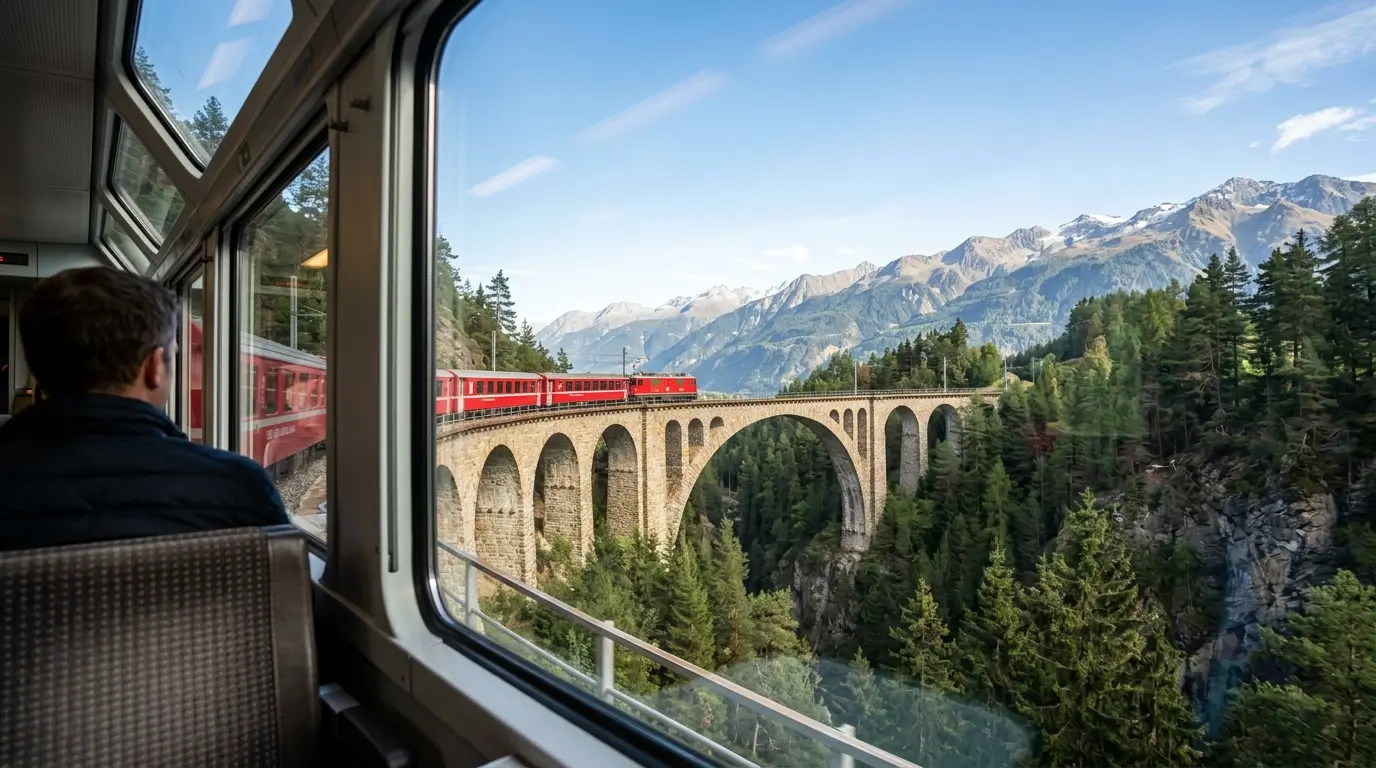
Getting a seat on the wrong side of the carriage can mean looking at a gravel wall while the other side enjoys a panoramic lake view. For example, when traveling south on the Bernina Express, sitting on the right side offers the most dramatic views of the Landwasser Viaduct.
When you learn how to book scenic train journeys across europe, look closely at the seating charts during the checkout process. Most official booking engines let you select your exact seats for a small fee, which is worth every single penny. If the website does not show a detailed seating layout, search online travel forums to see what side previous travelers recommend for your specific train number.
This minor preparation ensures you get the perfect window seat view instead of spending your entire trip stretching your neck to see what everyone else is marveling at.
FAQs
When is the best time to book scenic train journeys across Europe?
You should secure your tickets as soon as the booking window opens, which is usually ninety days before departure. This timing gets you the cheapest advance-purchase fares and ensures you get actual seats on popular panoramic routes, which often sell out weeks ahead during the peak summer travel season.
Do I need to buy a rail pass for these routes?
Not necessarily. If you only plan to take two or three specific scenic trains, buying individual point-to-point tickets directly from the national operators is usually much cheaper. Passes are only cost-effective if you want the flexibility to take multiple long-distance trains over several consecutive days.
Can I bring my own food and drinks on the train?
Yes, you can absolutely bring your own picnic on almost all European trains, including alcohol. This is a brilliant way to save money since onboard dining cars are usually quite expensive. Just make sure to pack a bottle opener and some napkins for a comfortable meal.
What happens if my connecting train is delayed?
If you booked a single ticket for the entire trip, the railway operator is legally required to put you on the next available train for free. However, if you bought separate tickets from different companies, you might lose your ticket and have to purchase a new one on the spot.
Are seat reservations mandatory on all European trains?
They are voluntary on regional trains but mandatory on high-speed lines and official panoramic trains like the Glacier Express. If you travel with a Eurail pass, you still need to pay extra to book these reservations before boarding, so remember to factor that into your travel budget.
Conclusion
Taking the train is the ultimate way to slow down and actually see the beauty of the continent instead of flying right over it. With a little bit of prep work and the right booking timing, you will be sitting back with a drink, watching incredible landscapes roll past your window. Which legendary rail route are you planning to ride first?





One Comment